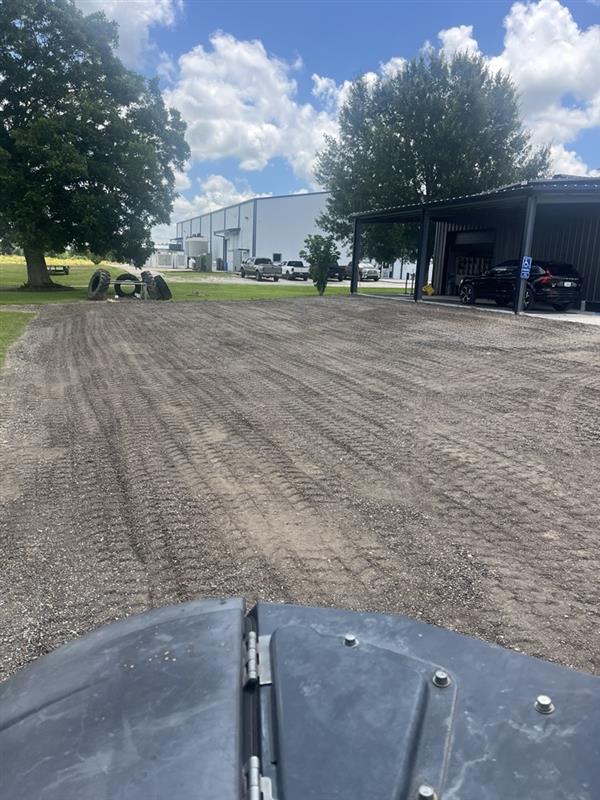
Be clear about the finished purpose
Describe what the prepared area will be used for and who will carry out the work that follows. A site being readied for a building, an access improvement or another property project may have different requirements. Any existing drawings or instructions for the next phase should be part of the discussion from the start.
Identify the approximate limits of the work rather than describing the entire property as one area. Mark features that need to stay, such as fencing, established access routes or nearby improvements. This helps turn a broad request to prepare the site into a conversation about a defined scope.
Review what is already there
Photos should show the work area and its surroundings, including the route equipment would take from the entrance. Note known utilities, existing drainage features and places where access is restricted. If part of the property is in daily use, explain how that use relates to the proposed work.
Share observations about standing water or changes in the ground, along with the conditions when you noticed them. These details provide context for review; they do not establish the cause or the appropriate method. Site-specific requirements need to be confirmed before the work is planned in detail.
Coordinate the next steps
Site preparation can overlap with drainage, trenching or demolition. If any of those are part of the overall plan, raise them together instead of treating them as unrelated requests. A structure scheduled for removal or a planned pipe route may affect when another part of the property can be prepared.
Tell Gator about the desired timing and any dependencies on other contractors or deliveries. The first conversation can establish what information is available and what still needs to be resolved. For a waterfront property, also include the access needed for marine construction so preparation supports both the land-side and water-side work.