Show where the concern begins and ends
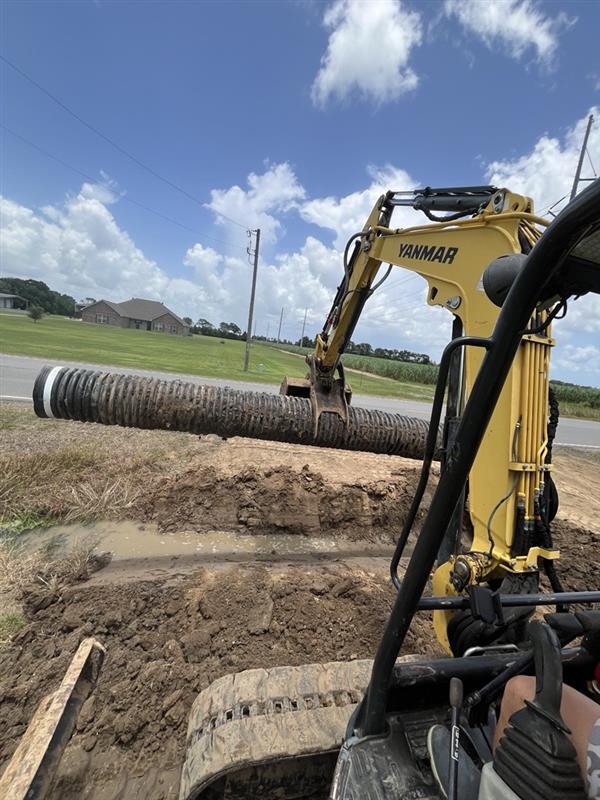
For a drainage inquiry, describe where water collects, the direction you see it moving and when the issue occurs. Photos taken during the condition can be useful alongside dry-weather views. Include nearby buildings, paths and existing drainage features so the concern can be understood in relation to the site.
Avoid assuming that a new pipe is the complete answer before the property has been reviewed. The work area, connections and intended result all need to be discussed. Gator can use your observations to start defining the project and the information needed for further planning.
Explain the purpose of the trench
A trench request should include what the route is intended to serve and any plans already prepared for it. Mark the approximate start and end points and note surfaces or improvements along the way. If the work is part of another contractor’s installation, share the relevant requirements and coordination needs.
Existing utilities, restricted access and the relationship to occupied areas are important planning details. Known information should be shared early, while required locating and other site preparations must be resolved before excavation. Final route, depth, materials and connection details depend on the actual scope rather than a general service page.
Plan the work around the property
Think about what needs to remain usable while the project is underway and how the area will be used afterward. Include entrances, driveways, gates and other access points in the discussion. If site preparation or demolition is also planned, explain the sequence you have in mind and any dates that depend on other work.
Waterfront projects may involve both drainage on land and construction at the shoreline. Describe those as connected needs, while keeping their purposes clear. The drainage conversation addresses the property’s layout and water-management needs; shoreline work deserves its own review rather than being treated as an automatic substitute.