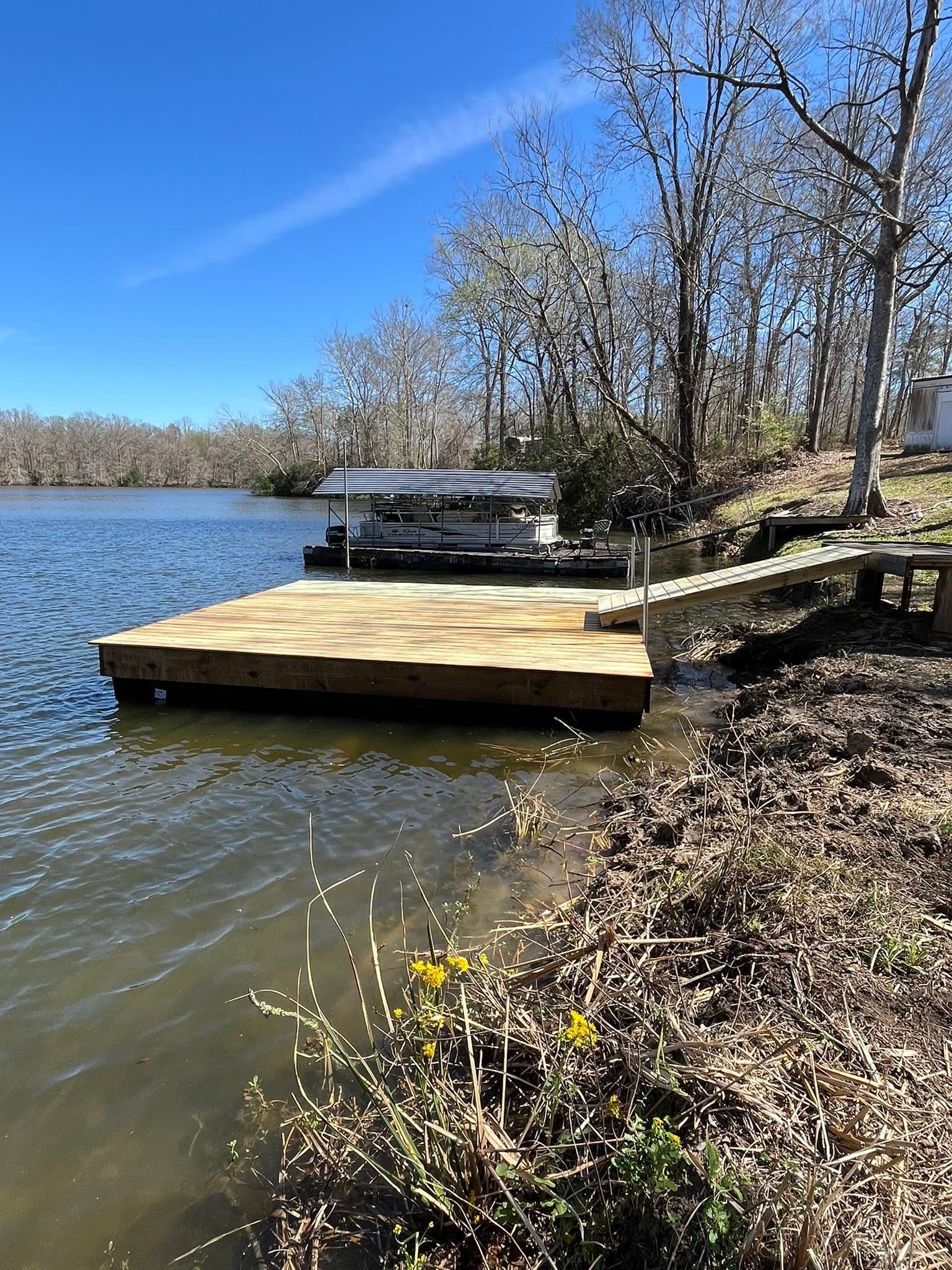
Describe what is happening at the edge
Start with the conditions you can see: exposed soil, areas that have changed shape, a deteriorating existing edge or a section that is difficult to access. Note where the concern begins and ends and how close it is to structures, walkways or other improvements. Wide photos are useful alongside close views of specific trouble spots.
If you have older photographs, they can help explain changes over time. Describe your observations without assuming a cause. The purpose of the first discussion is to understand the concern and establish what needs closer review before a construction approach is chosen.
Discuss bulkheads and riprap in context
Bulkheads and riprap are different approaches to shoreline work, so the choice should not be made from appearance alone. The existing bank, available space, adjacent improvements and water conditions are all relevant to the conversation. Gator can discuss the requested work and the information needed to evaluate the project’s scope.
Bring any existing plans or details about earlier shoreline construction. Material choices, dimensions and any design or approval requirements belong to the site-specific planning process. No single shoreline treatment should be assumed to fit every property or to solve every water-management issue.
Coordinate shoreline work with the rest of the site
A future dock, walkway or boat storage area may change how you want to use the property edge. Share those plans before treating shoreline work as a separate project. Likewise, explain where equipment could reach the work area and whether gates, fences or existing landscaping limit that route.
If runoff from the land side is also a concern, include drainage in the discussion. Keeping marine and civil needs visible together helps distinguish the work at the water’s edge from the work needed elsewhere on the property. Gator’s drainage and trenching page outlines the information to gather for that part of the project.